
Freelance Platform Reviews · Updated 2026
Is Fiverr Legit in 2026? Honest Review (Public Company, Real Fees)
Fiverr is a publicly traded company worth hundreds of millions of dollars — but that doesn’t answer whether your specific order is protected, or what you’ll actually pay after fees. Here’s the real picture, verified against Fiverr’s own official numbers.
Fiverr is a legitimate, publicly traded company (NYSE: FVRR), not a scam. Payments are held safely until you approve delivered work. The real thing to understand before using it isn’t legitimacy — it’s the fee structure, which is steeper for sellers than most competing platforms.
What Is Fiverr?
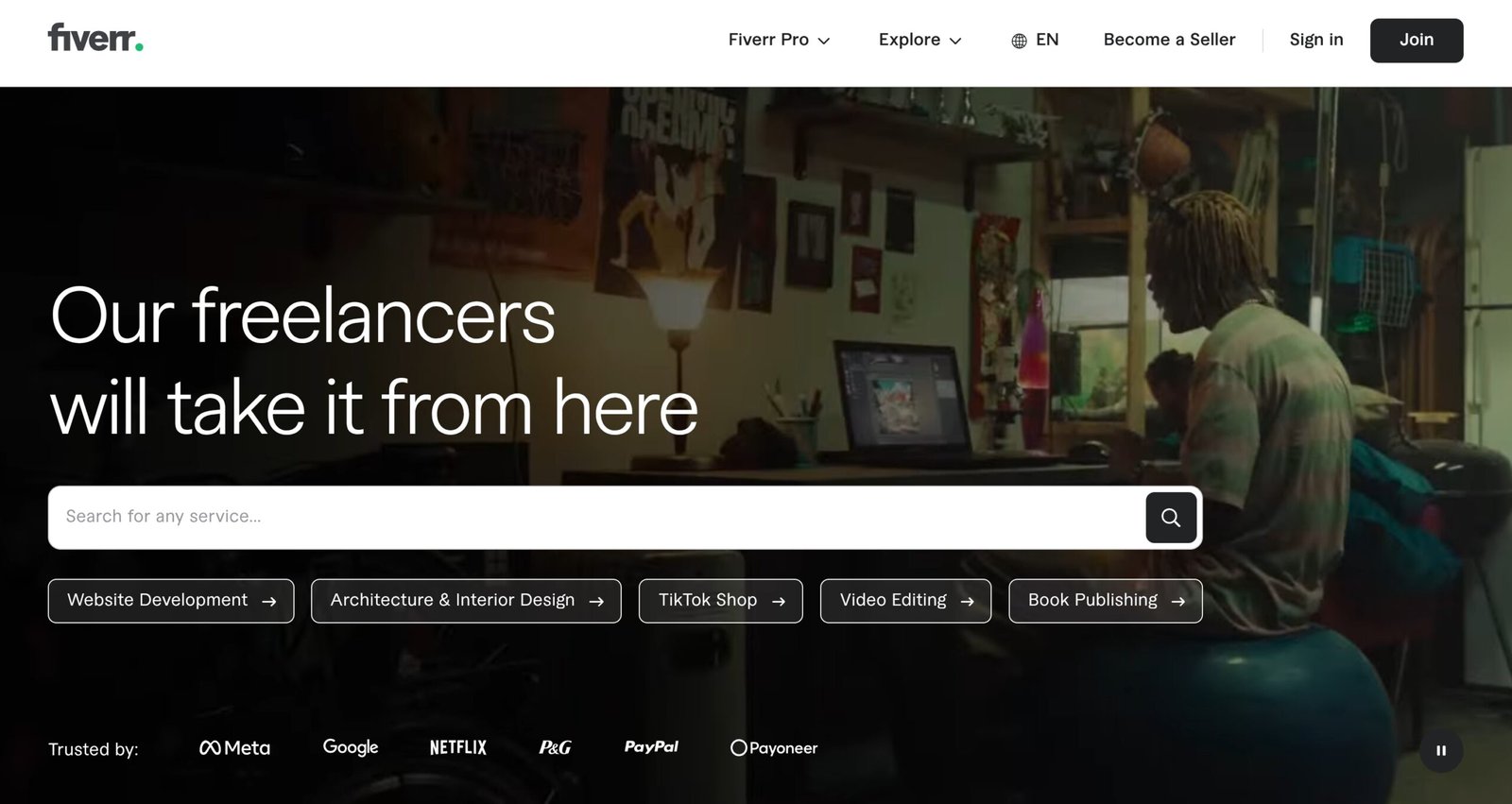
Fiverr is an online marketplace where freelancers (“sellers”) list fixed-price service packages called Gigs, and clients (“buyers”) purchase them directly — covering categories like graphic design, writing, video editing, programming, and marketing. Fiverr was founded by Micha Kaufman and Shai Wininger in 2009 and formally incorporated in Israel in April 2010, and takes its name from the $5 flat price attached to every gig when it first launched (though most gigs cost more today). Fiverr International Ltd. is headquartered in Tel Aviv, Israel, operates in an estimated 160 countries, and priced its initial public offering at $21/share on June 12, 2019, with shares beginning to trade on the New York Stock Exchange the next day under the ticker FVRR.
Comparing freelance platforms?
See how Fiverr stacks up in our Fiverr vs Upwork comparison, and read our companion Is Upwork Legit review if you’re weighing both platforms’ legitimacy side by side.
Is Fiverr Legit?
Yes. Fiverr is a legitimate, publicly traded company subject to SEC financial reporting requirements — a level of transparency a scam operation couldn’t sustain. Trust signals worth knowing:
- Publicly traded on the NYSE (FVRR) since June 2019, confirmed directly via Fiverr’s own SEC filings
- 16+ years of operating history since founding in 2009 (incorporated in Israel in April 2010)
- Millions of completed transactions processed through Fiverr’s escrow-style payment system
One honest note, consistent with what we found researching Upwork: Fiverr is not BBB accredited, per Fiverr’s own official BBB business profile. As with Upwork, accreditation requires an application and isn’t automatic for legitimate large companies, so this alone doesn’t indicate wrongdoing — but it’s a fair detail to share rather than omit.
Do Fiverr Clients Pay Before or After?
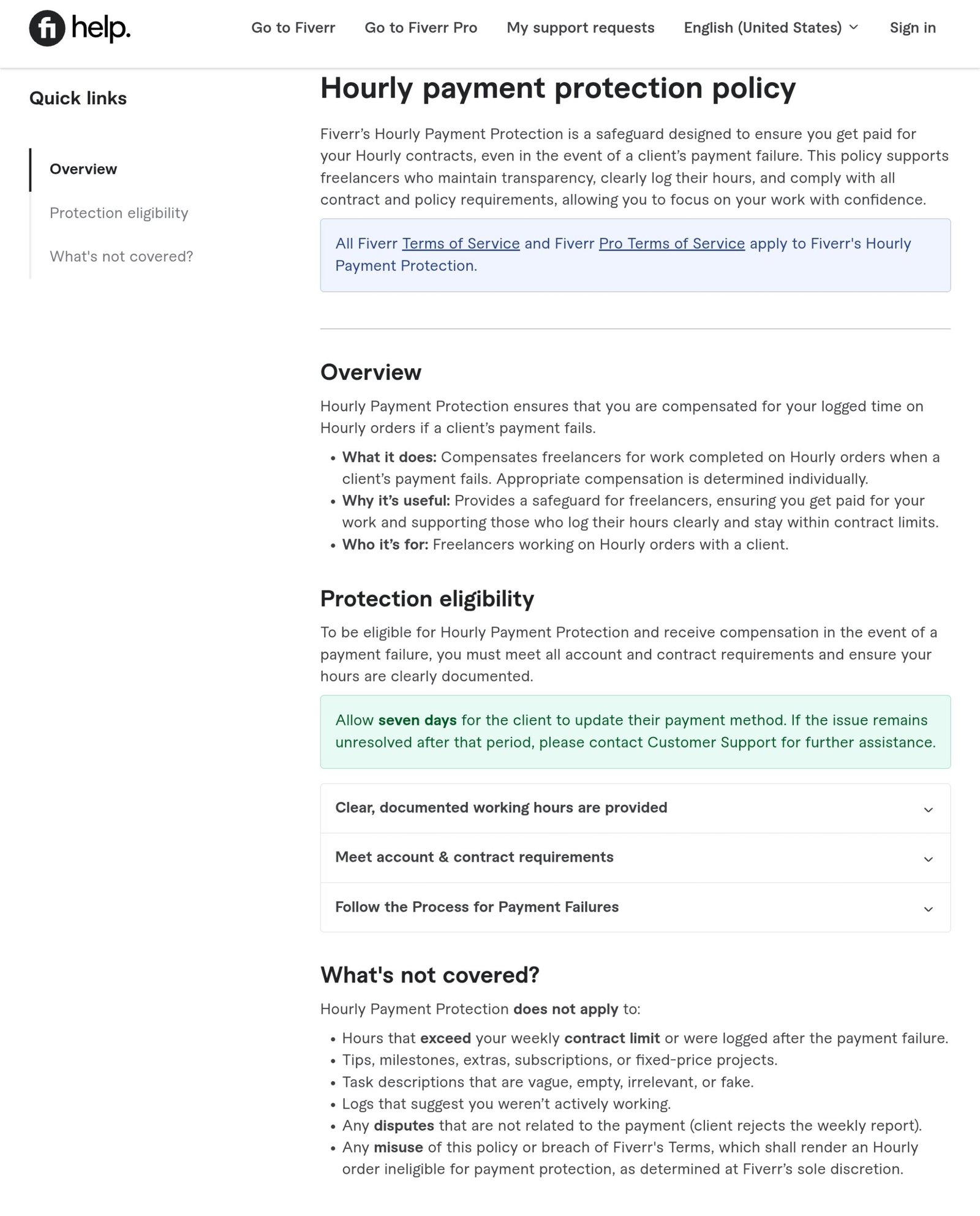
Clients pay before work begins, but Fiverr doesn’t release that money to the seller immediately. When a buyer places an order, Fiverr holds the payment while the seller completes the work. Once the seller delivers and the buyer accepts (or the review period passes without a dispute), funds are released to the seller’s Fiverr balance — this escrow-style structure protects both sides: buyers aren’t paying a stranger directly with no recourse, and sellers have payment secured before starting work rather than hoping a client pays afterward.
Is Fiverr Safe?
Generally, yes — the escrow-style payment structure above is the core safety mechanism, and Fiverr requires payment upfront specifically to prevent buyers from being scammed by fake sellers who never deliver. That said, “safe” doesn’t mean risk-free: quality still varies seller to seller, and buyers should review seller ratings, portfolios, and past reviews carefully before ordering, the same way you would on any open marketplace.
How Much Does Fiverr Take? (Fee Breakdown)
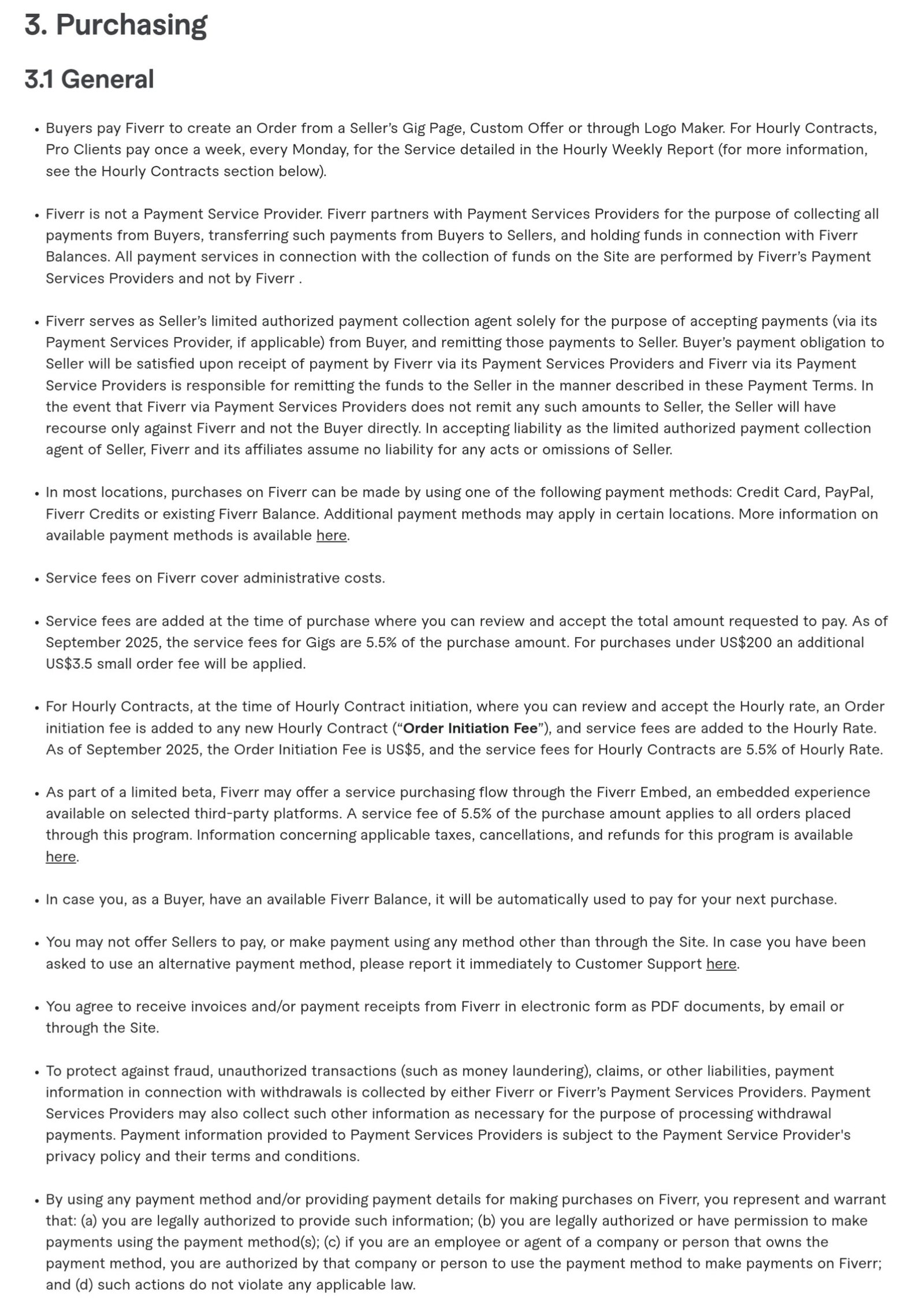
Fiverr’s fee structure is simple in principle but adds up on both sides of a transaction:
| Who Pays | Fee | Details |
|---|---|---|
| Sellers | Flat 20% commission | Applies to every order and tip, with no tiers, volume discounts, or exceptions — a $100 order pays the seller $80 |
| Buyers | 5.5% service fee | Added on top of the gig price at checkout |
| Buyers (smaller orders) | Small additional flat fee | Applies to lower-value orders; the exact threshold has changed recently, so check the fee shown at your specific checkout |
Common Real Complaints
Reviewing Fiverr’s own BBB complaint history surfaces a few recurring themes worth knowing before you buy or sell:
- AI-assisted work disclosure — some buyers report dissatisfaction discovering AI tools were used in deliverables (like writing or design) without clear disclosure. If AI-generated content is a dealbreaker for you, ask sellers directly before ordering.
- Inconsistent quality — because anyone can become a seller, quality varies significantly; checking reviews, portfolios, and response time before ordering matters more on Fiverr than on curated platforms.
Pros and Cons
- Publicly traded, financially transparent, established company
- Escrow-style payments protect buyers from non-delivery
- Massive gig discovery traffic for sellers who rank well
- Fixed-price gigs mean no proposal-writing required to browse
- Free to join for both buyers and sellers
- Not BBB accredited
- Flat 20% seller commission is high relative to competitors
- Quality varies significantly by seller — no formal vetting
- Some reports of undisclosed AI use in delivered work
- Small-order fees can make cheap gigs feel less cheap at checkout
Is Fiverr Worth It?
Worth it if: you want a fixed-price, no-negotiation way to buy or sell a specific service quickly, and you’re comfortable reviewing seller ratings carefully as your main quality safeguard.
Go in cautious if: you’re a seller price-sensitive to the flat 20% commission, or a buyer who needs guaranteed AI-free work — confirm that upfront with any seller rather than assuming.
Fiverr Alternatives
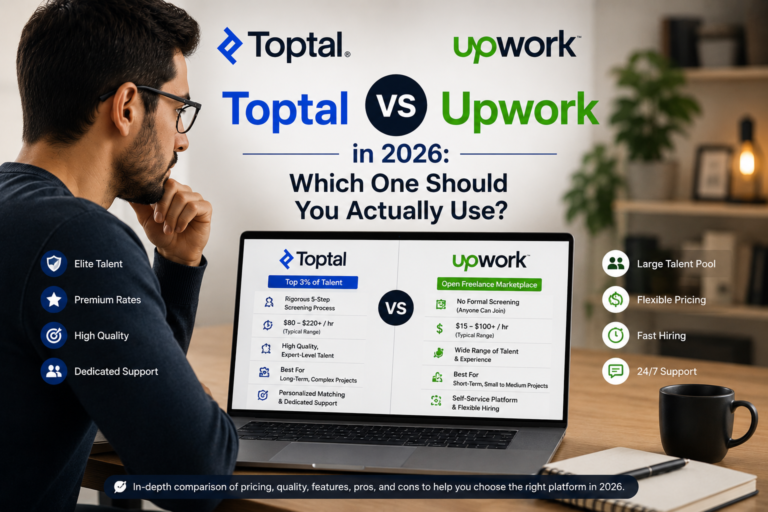
If Fiverr’s fixed-price gig model isn’t the right fit, our Is Upwork Legit review covers the other major open marketplace (with a lower, variable seller fee), and our Is Toptal Worth It review covers a curated, vetted-freelancer alternative for higher-budget projects.
Frequently Asked Questions
Is Fiverr legit?
Yes. Fiverr is a publicly traded company (NYSE: FVRR) with over 16 years of operating history. It is not BBB accredited, though that alone doesn’t indicate wrongdoing.
Do Fiverr clients pay before or after the work is done?
Clients pay before work begins, but Fiverr holds the funds and doesn’t release them to the seller until the buyer accepts the delivery (or the review period passes). This escrow-style structure protects both sides.
Is Fiverr safe?
Generally yes, thanks to its escrow-style payment protection. Quality still varies by seller, so reviewing ratings and past work before ordering is important, similar to any open marketplace.
How much does Fiverr take from sellers?
A flat 20% commission on every order and tip, with no tiers or volume discounts. A $100 order results in $80 credited to the seller.
How much do buyers pay in Fiverr fees?
Buyers pay a 5.5% service fee on top of the gig price, plus a small additional flat fee on lower-value orders. The exact threshold has changed recently, so the fee shown at checkout is the most reliable figure.
Is Fiverr a scam?
No. Fiverr is a legitimate, publicly traded company. Real complaints exist around seller quality variability and occasional undisclosed AI use in deliverables, but these are quality issues rather than evidence the platform itself is fraudulent.